
DTA
Environmental Technical Description
For lower-complexity situations, with objective characterization of the development, activity and environmental aspects involved.
Understand applicationWe prepare environmental studies compatible with the size, activity, location and competent environmental agency, focusing on processes before SEMAM Teresina, SEMARH/PI and other municipal and state environmental agencies in Brazil.
In many environmental processes, the developer receives a statement, checklist or terms of reference issued by the environmental agency indicating the type of study to be submitted.
Even so, a critical stage remains: transforming that requirement into a technically consistent study and objective responses to the issues raised by the reviewing agency.
The indication of the study is only the starting point. Document quality depends on proper interpretation of the statement and compatibility among legislation, terms of reference, field reality and process stage.
For this reason, we first analyze the requirement received by the client and structure the environmental study coherently, reducing risks of pending issues, rework and delays.
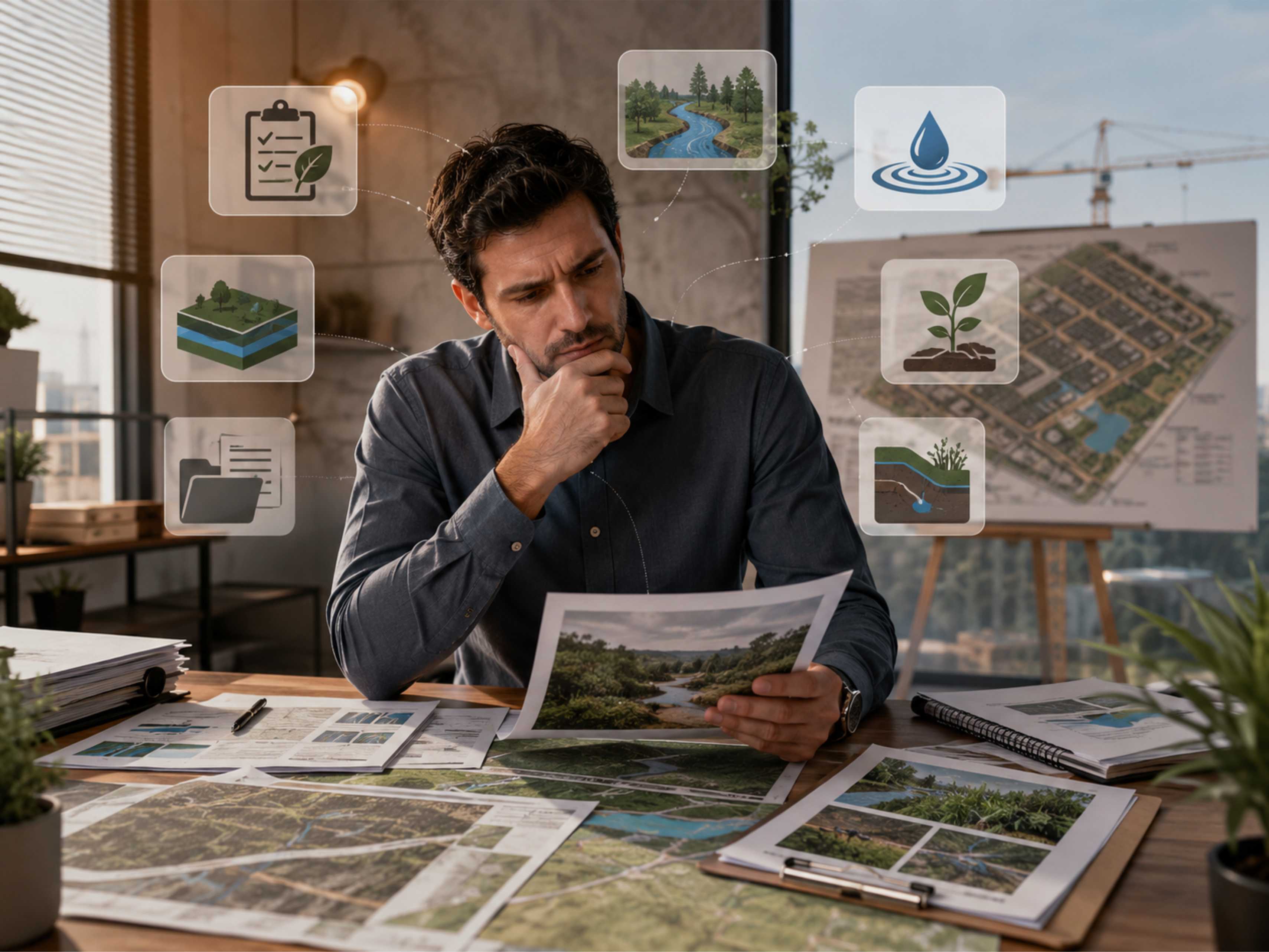
The expression “environmental study” includes different technical documents. To facilitate navigation, we organized the main studies into groups.
Environmental Technical Description
For lower-complexity situations, with objective characterization of the development, activity and environmental aspects involved.
Understand applicationSimplified Environmental Study
Including diagnosis, impact identification, mitigation measures and technical recommendations compatible with size and activity.
Understand applicationIntermediate Environmental Study
Applicable in certain state processes, with a level of detail above EAS and below EIA/RIMA.
Understand applicationEnvironmental Control Plan
Focused on defining measures, programs, procedures and environmental-control actions.
Understand applicationEnvironmental Impact Study / Environmental Impact Report
Higher-complexity study for developments with significant environmental-impact potential, including broad diagnosis, impacts, alternatives and monitoring.
Understand applicationEnvironmental Performance Report
Applicable to regularization situations, especially when the development is already implemented or operating.
Understand applicationIn addition to the main environmental study, the environmental agency may request plans, maps, technical opinions, hydrological studies and specific documents according to the development’s characteristics.
Construction Waste Management Plan for construction works, real estate developments and licensing processes.
View serviceDegraded Area Recovery Plan for environmental restoration, revegetation, stabilization and functional recovery of the area.
View serviceAssessment of watersheds, drainage, flows, water-related interferences, water bodies and risks associated with development implementation.
View serviceStudies for effluent discharge, receiving waters, environmental support capacity and water quality.
View serviceTechnical support for abstraction, discharge, interferences in water resources and regularization of water uses.
View serviceEnvironmental characterization, inventory, territorial analysis, APP, land use, thematic maps and complementary technical documents.
Request assessmentThe same type of development may have different requirements depending on the municipality, state, licensing competence, activity size and environmental characteristics of the area.
Work in local-impact processes, urban works, economic activities, environmental regularization, authorization, exemption, feasibility, licenses and studies required by the municipality.
Work in state processes, larger-scale activities, non-local impacts, prior consultation, classification, environmental studies and complementary documents.
Work based on reading local legislation, applicable terms of reference and specific requirements of the competent environmental agency.
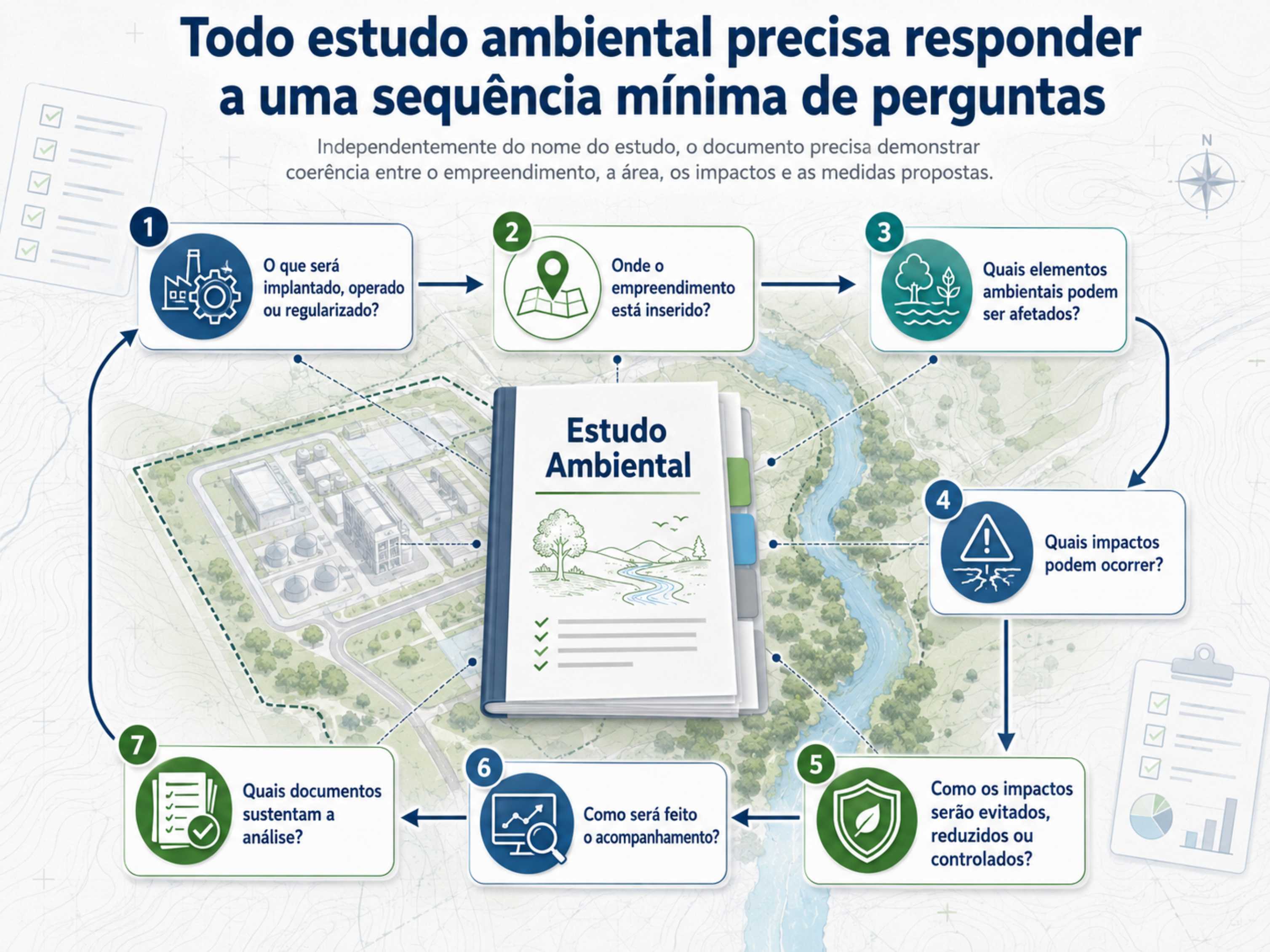
A consistent environmental study must answer a logical sequence. It is not enough to gather texts, maps and annexes. It is necessary to build a technical narrative that explains the development, characterizes the area, identifies impacts, proposes control measures and enables the environmental agency to understand the risk, feasibility and necessary conditions.
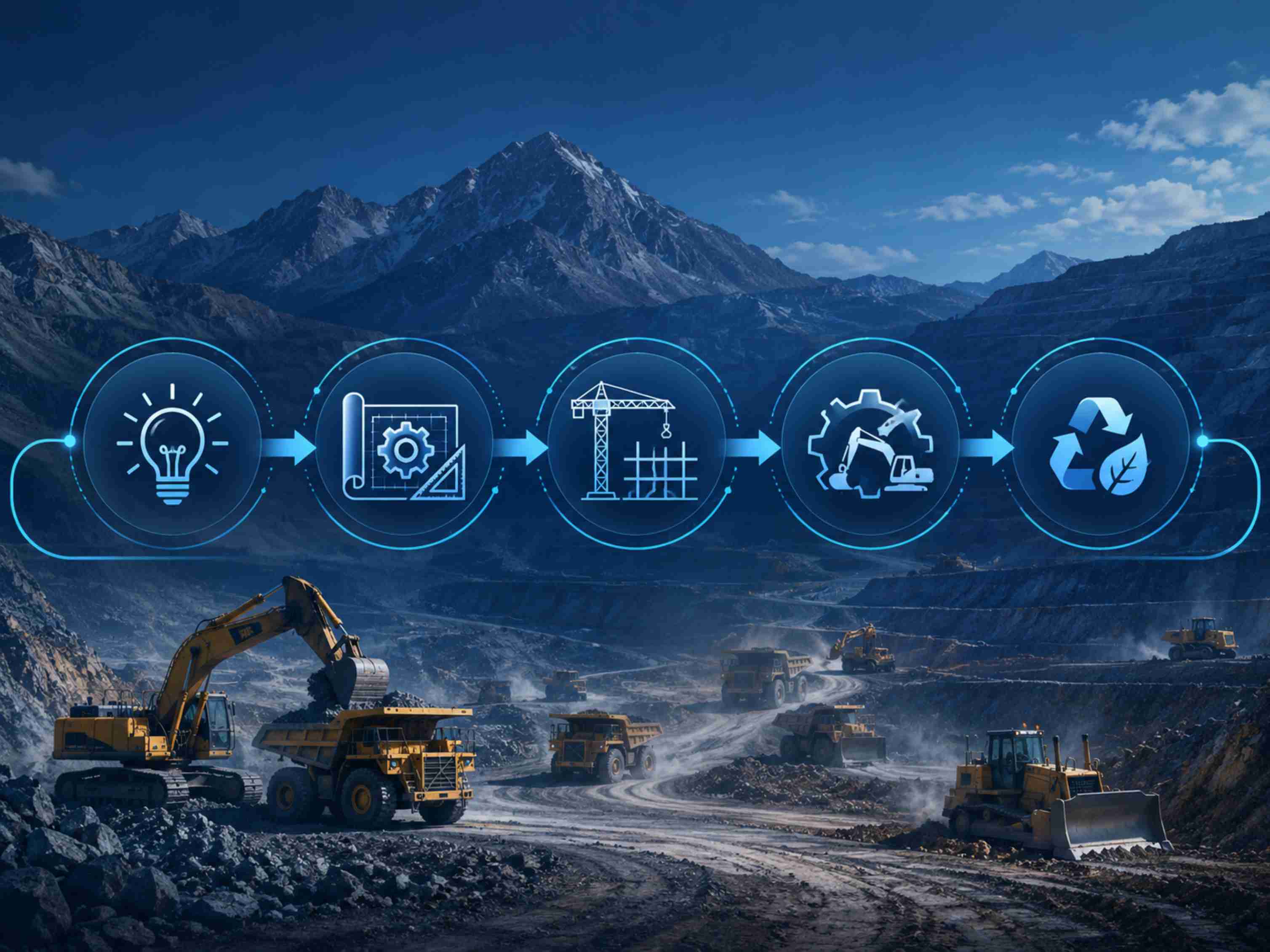
Click each topic to understand how GCRH Engenharia conducts different types of environmental studies and documents.
Before preparing any environmental study, it is necessary to understand the technical problem of the process. Is the development in planning, installation, operation or regularization stage? Is there a previous license? Has the environmental agency issued a pending issue? Does the area have an APP, watercourse, vegetation, urban constraints or another sensitive condition?
This stage prevents the developer from contracting an inadequate study, submitting the wrong documentation or receiving successive requirements due to classification failures.
GCRH Engenharia performs this preliminary reading to define the safest technical path: which agency should review the process, which license may be required, which environmental study is most compatible and which complementary documents must be organized.
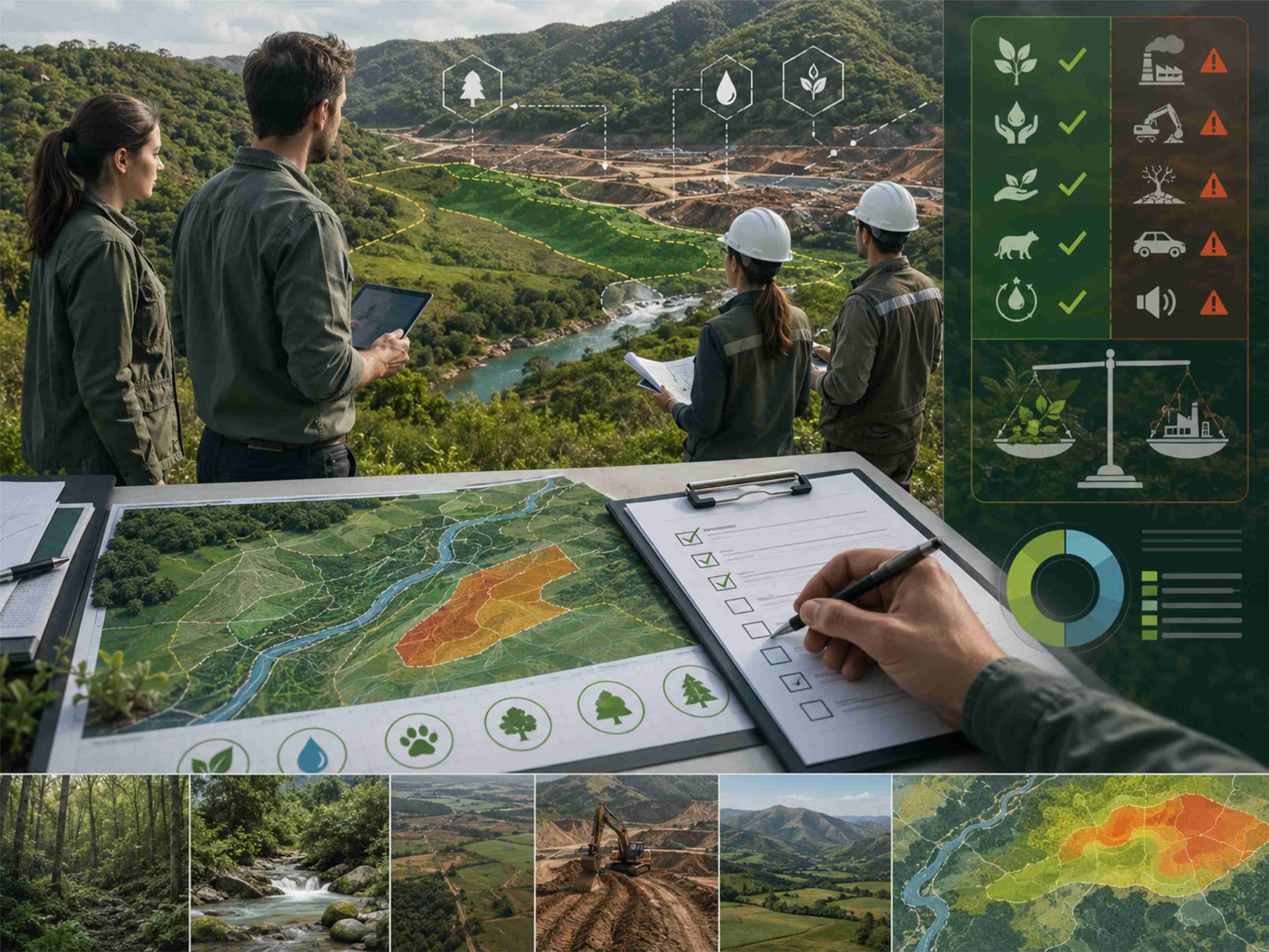
Simplified environmental studies must not be confused with superficial documents. Even when the process requires a lower-complexity study, the document must present adequate characterization of the development, location, environmental context, foreseeable impacts, mitigation measures and recommendations compatible with the activity.
DTA and EAS must be proportional to the size and impact potential of the development. The difference lies in the level of detail, depth of diagnosis and complexity of the required analysis.
GCRH structures these studies with clear technical language, maps, photographs, objective activity description, regulatory analysis, impact identification and applicable control measures.
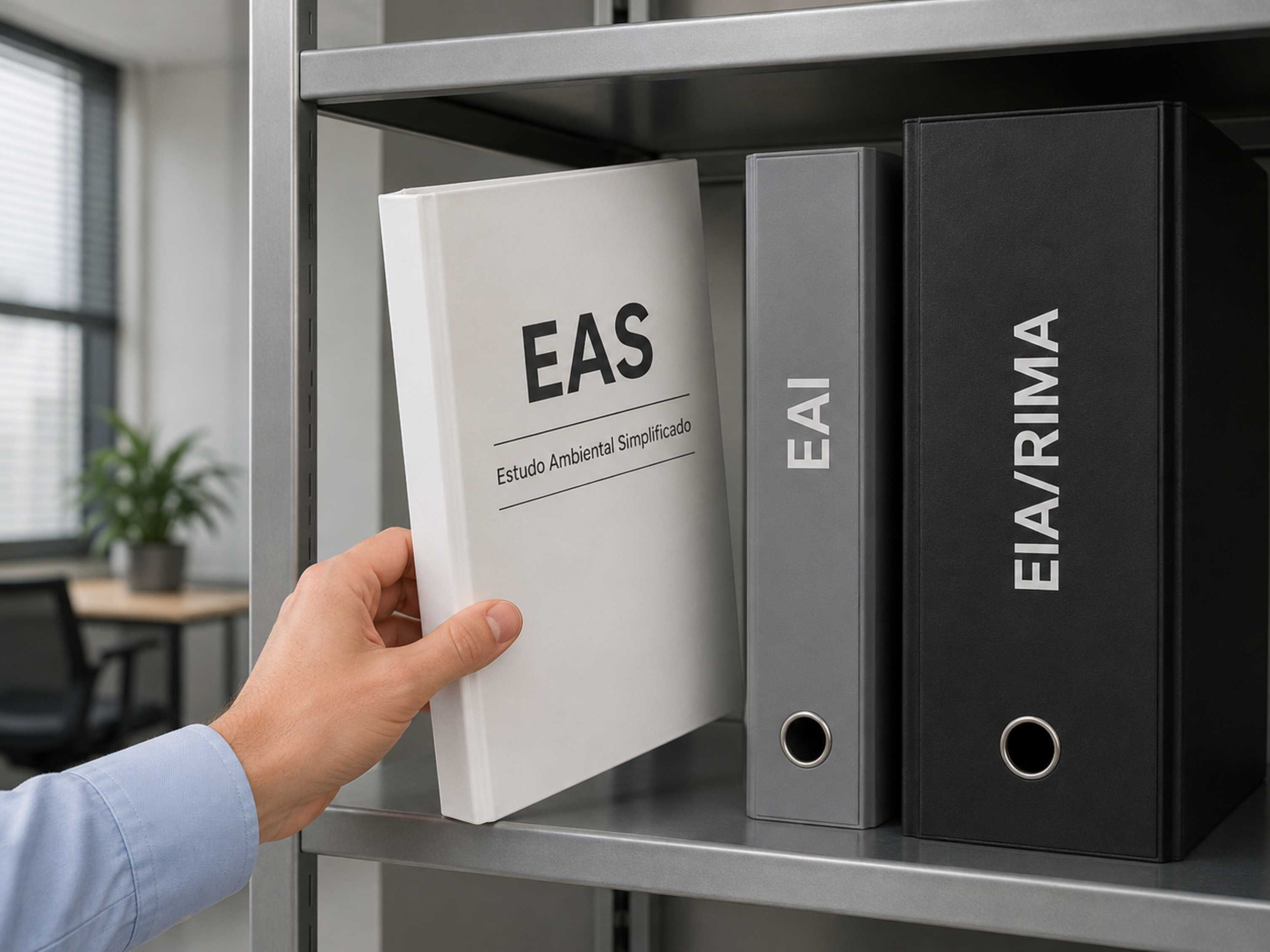
The Environmental Control Plan and Intermediate Environmental Study are indicated when the process requires greater detail on control, prevention, mitigation and monitoring measures. Their focus is to transform identified impacts into practical actions, responsibilities, procedures, indicators and follow-up methods.
A good PCA or EAI should not be merely a list of intentions. It must indicate what will be done, where, when, by whom, for what objective and with what verification method.
GCRH prepares environmental control plans and intermediate environmental studies by integrating diagnosis, operational measures, waste management, effluent control, drainage, noise, emissions, vegetation suppression, communication, monitoring and other aspects applicable to the development.
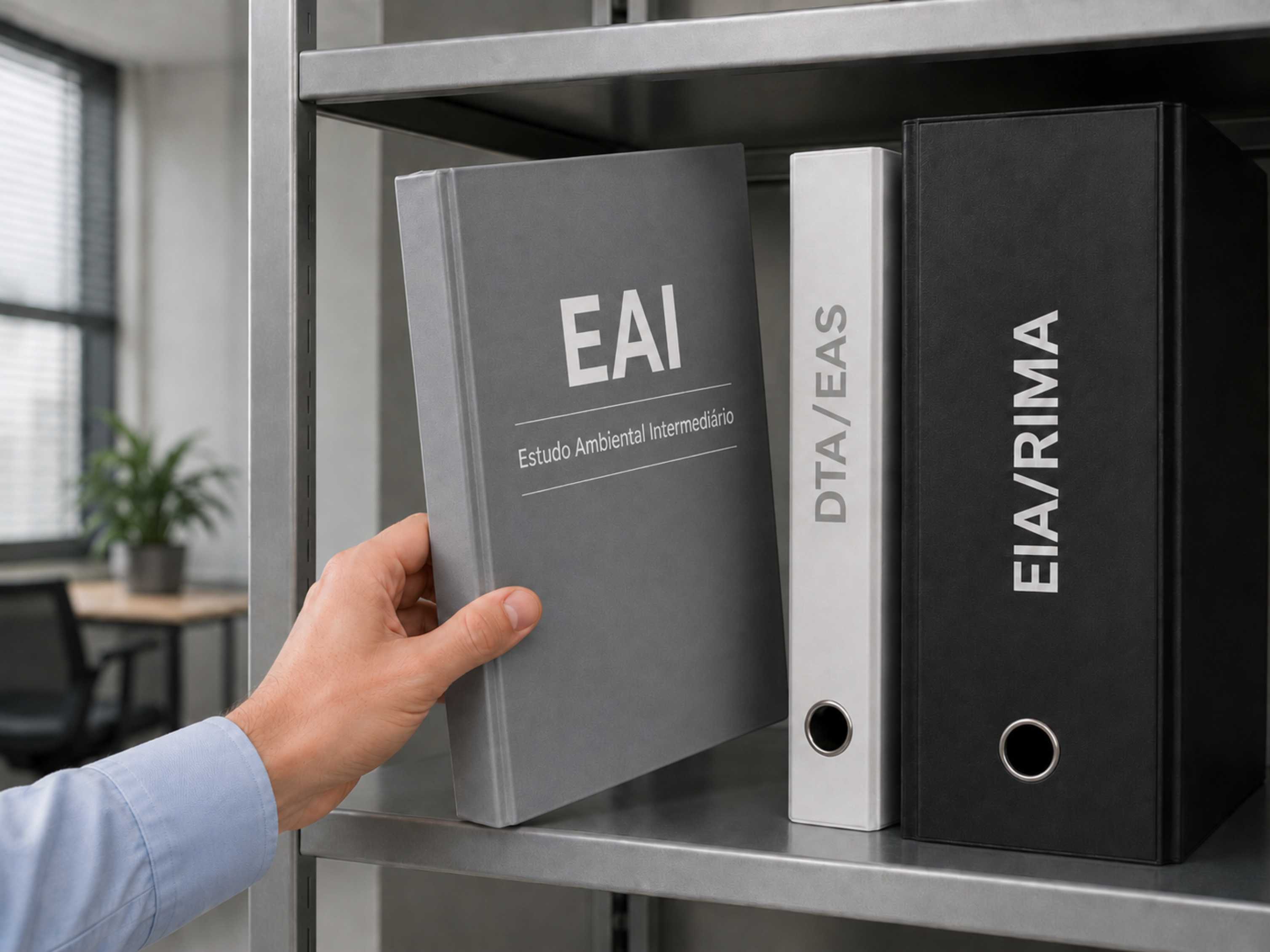
EIA/RIMA is required for developments with higher environmental-impact potential. In this case, the study must evaluate alternatives, delineate influence areas, characterize the physical, biotic and socioeconomic environments, identify positive and negative impacts, and propose mitigation measures, control programs and monitoring actions.
The RIMA must translate the study results into accessible language, with maps, tables, charts and visual elements that allow society to understand the advantages, disadvantages and environmental consequences of the development.
GCRH works on the technical structuring of these studies with a multidisciplinary approach, integrating engineering, environment, hydrology, geoprocessing, territorial analysis and technical communication.

Many environmental processes do not depend only on the main environmental study. When there is water abstraction, effluent discharge, drainage interference, crossings, water bodies, flood-prone areas or lack of public infrastructure, water-based complementary studies may be required.
In these cases, we assess contributing basins, reference flows, water availability, receiving-water support capacity, self-purification, drainage, floodplains and potential impacts on water resources.
This is one of GCRH Engenharia’s main specialties. We integrate modeling, geoprocessing, hydrological analysis and environmental interpretation to produce more robust studies compatible with licensing.
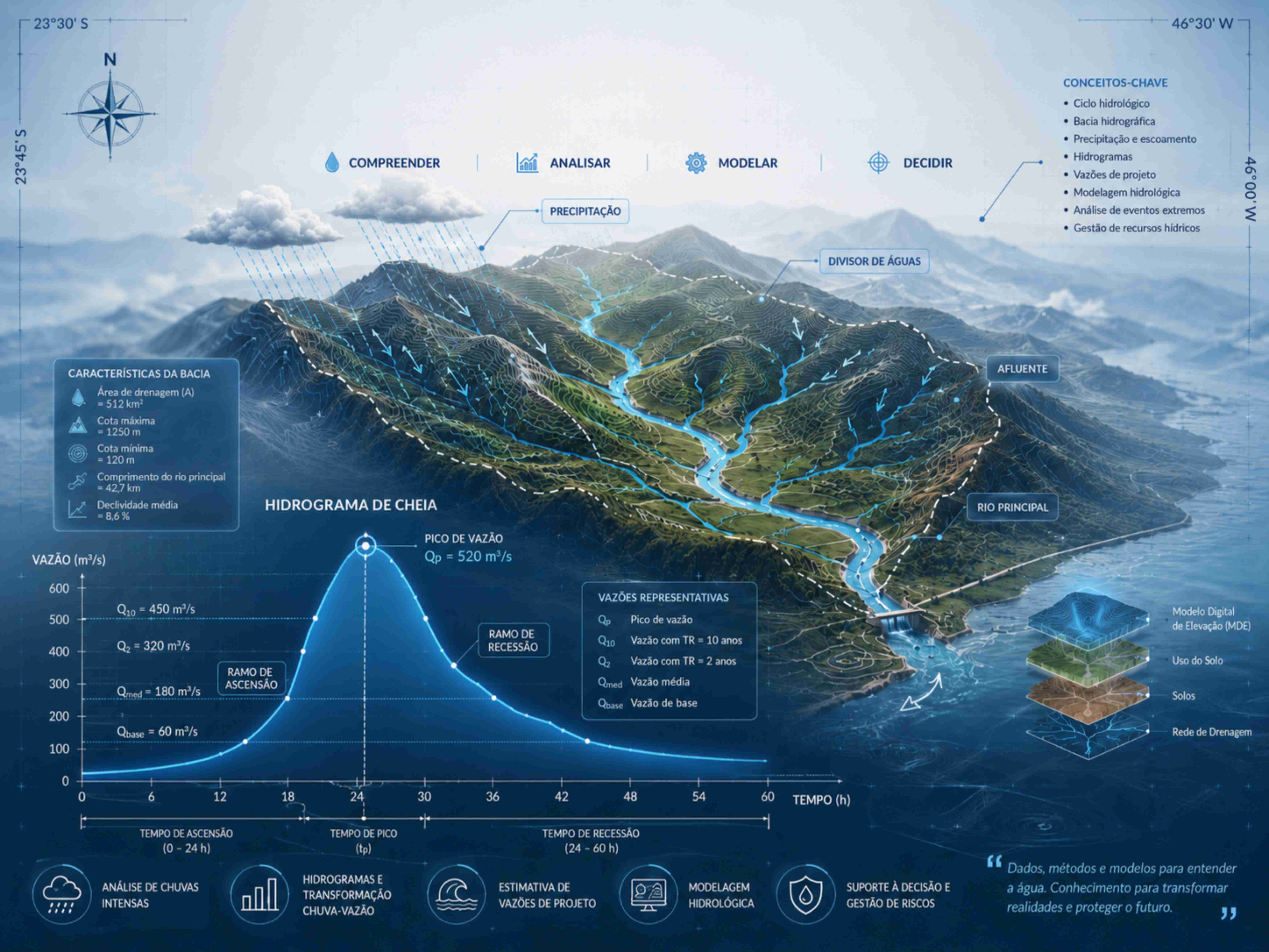
In addition to the main environmental study, the environmental agency may request plans and specific documents according to the development’s characteristics.
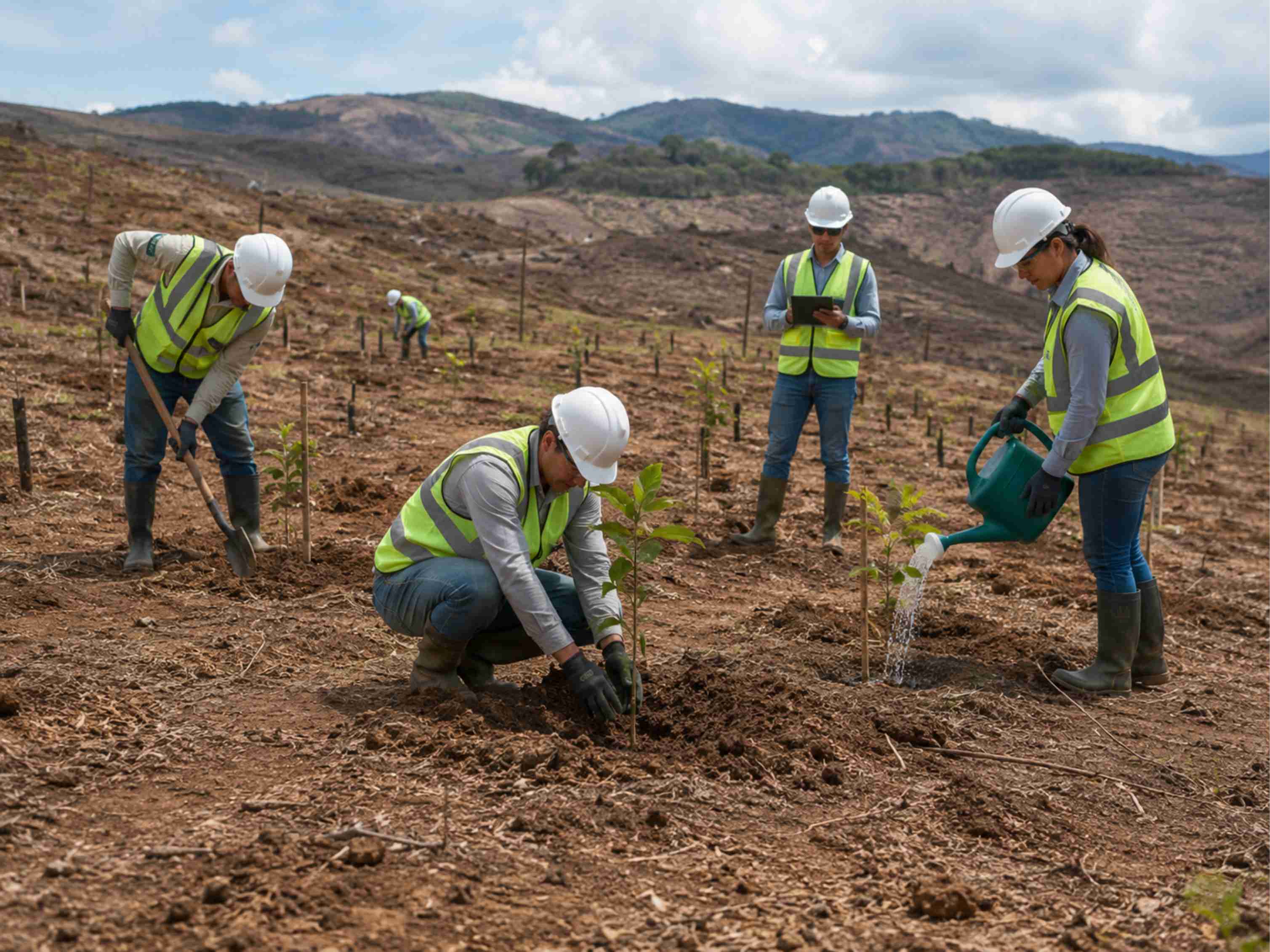
In civil-construction works, a PGRCC may be required. In degraded areas, a PRAD may be required. Where vegetation exists, flora characterization, forest inventory, vegetation-suppression authorization, forest replacement and recovery measures may be necessary.
GCRH organizes these documents in an integrated manner to avoid contradictions among the main environmental study, engineering projects, maps, schedules and proposed measures.
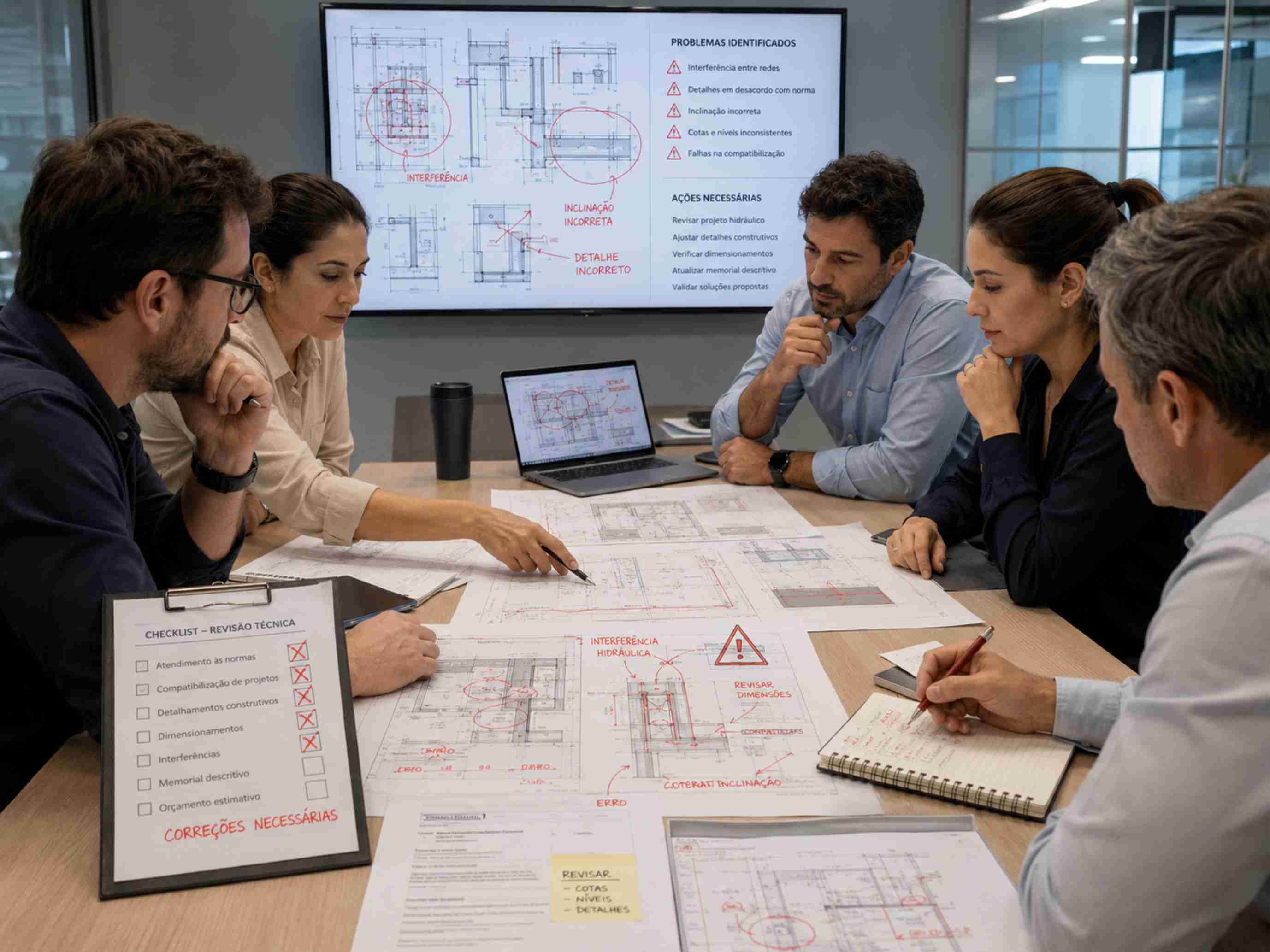
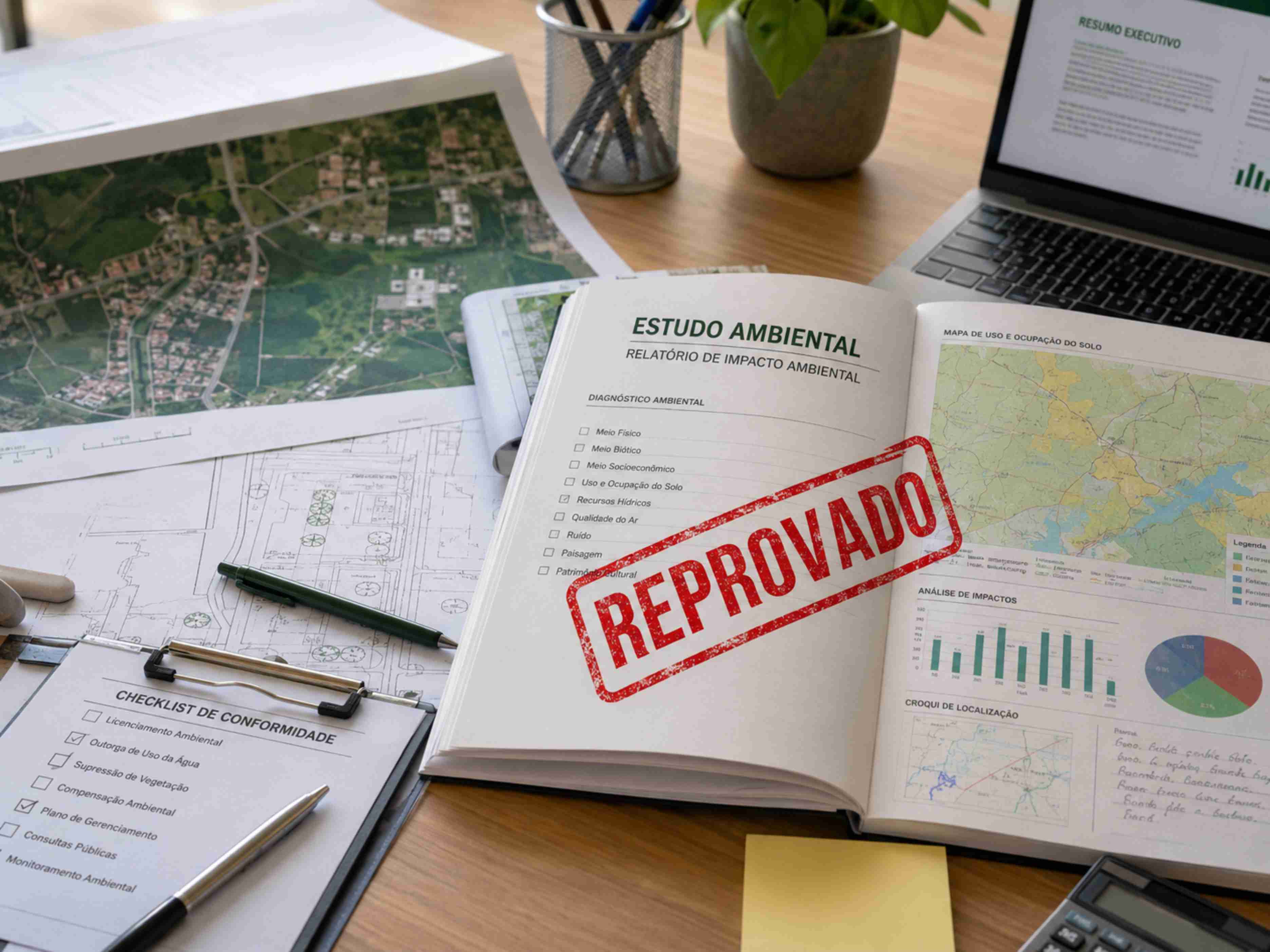
The client does not always arrive at the beginning of the process. Often, demand arises after a notice, technical pending issue, denial, expired license, work started without a license or complementary requirement from the environmental agency.
In these cases, the work requires critical reading of the process, identification of the failure, review of submitted documents and preparation of an objective technical response.
GCRH works on correcting studies, supplementing information, preparing technical opinions, producing maps, reviewing memoranda, responding to notices and providing technical support for environmental regularization.
Send the initial information on your demand for preliminary analysis.
Request a quoteRegardless of the study name, an environmental document must demonstrate coherence among the development, the area, the impacts and the proposed measures. Complexity may vary, but the technical logic remains.
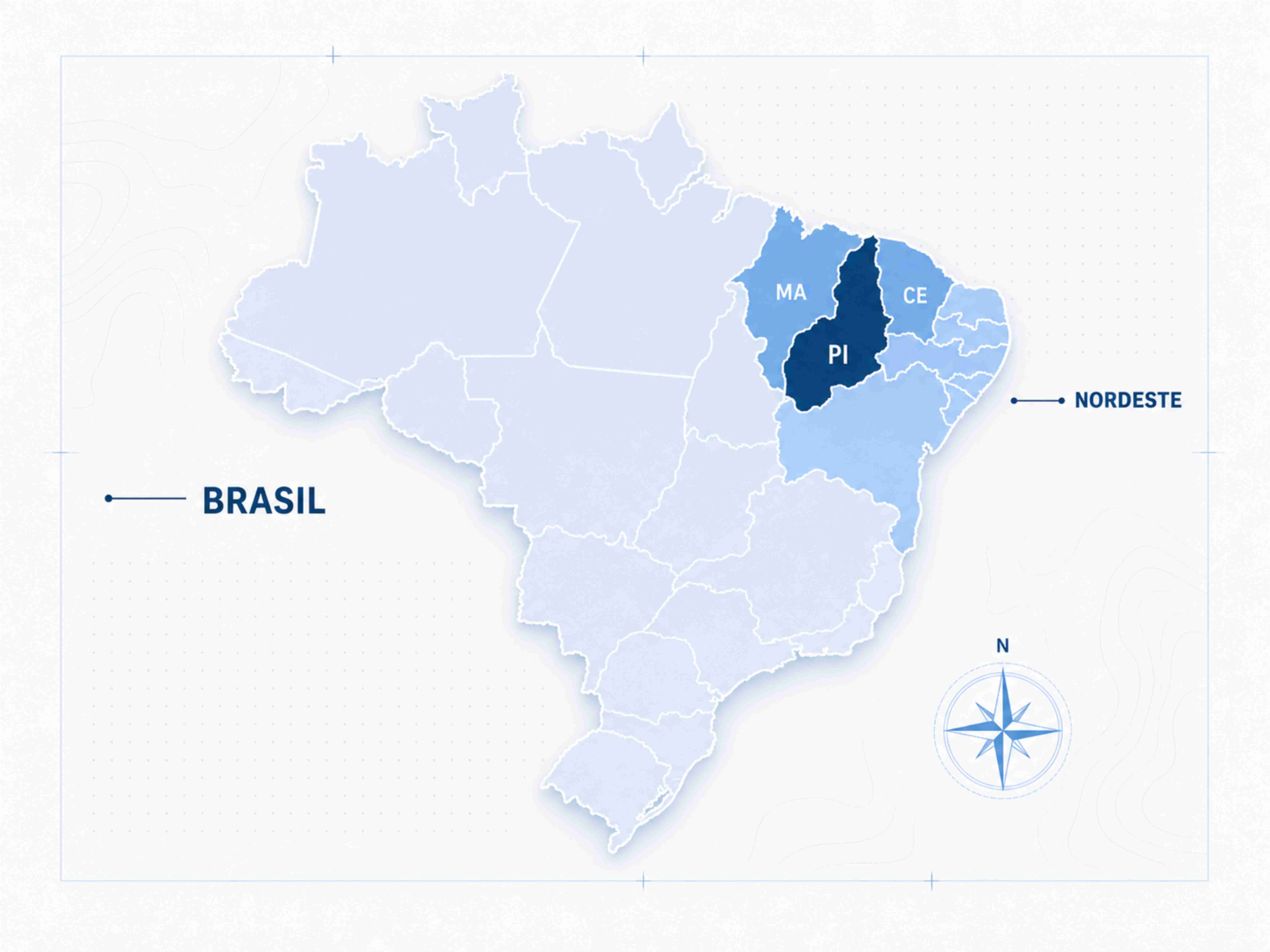
GCRH Engenharia has technical work focused on Teresina and the state of Piauí, especially in processes involving SEMAM, SEMARH/PI, water resources, sanitation, urban developments, infrastructure works, economic activities and environmental regularizations.
We also operate in other states based on reading local legislation, the competent agency’s terms of reference and the development’s characteristics. The methodology is replicable: classify correctly, understand the reviewing agency, collect data, produce a diagnosis, assess impacts, propose measures and deliver technically defensible documentation.
Our differential lies in integrating engineering, environment, water resources, geoprocessing, computational modeling and experience with technical-administrative documentation.
GCRH Engenharia combines academic experience, professional practice and mastery of technical tools to produce consistent environmental studies.
We assess licensing modality, competent agency, probable class and complementary documents before producing the study.
Environmental studies often require understanding of drainage, effluents, sanitation, hydrology, infrastructure and operation.
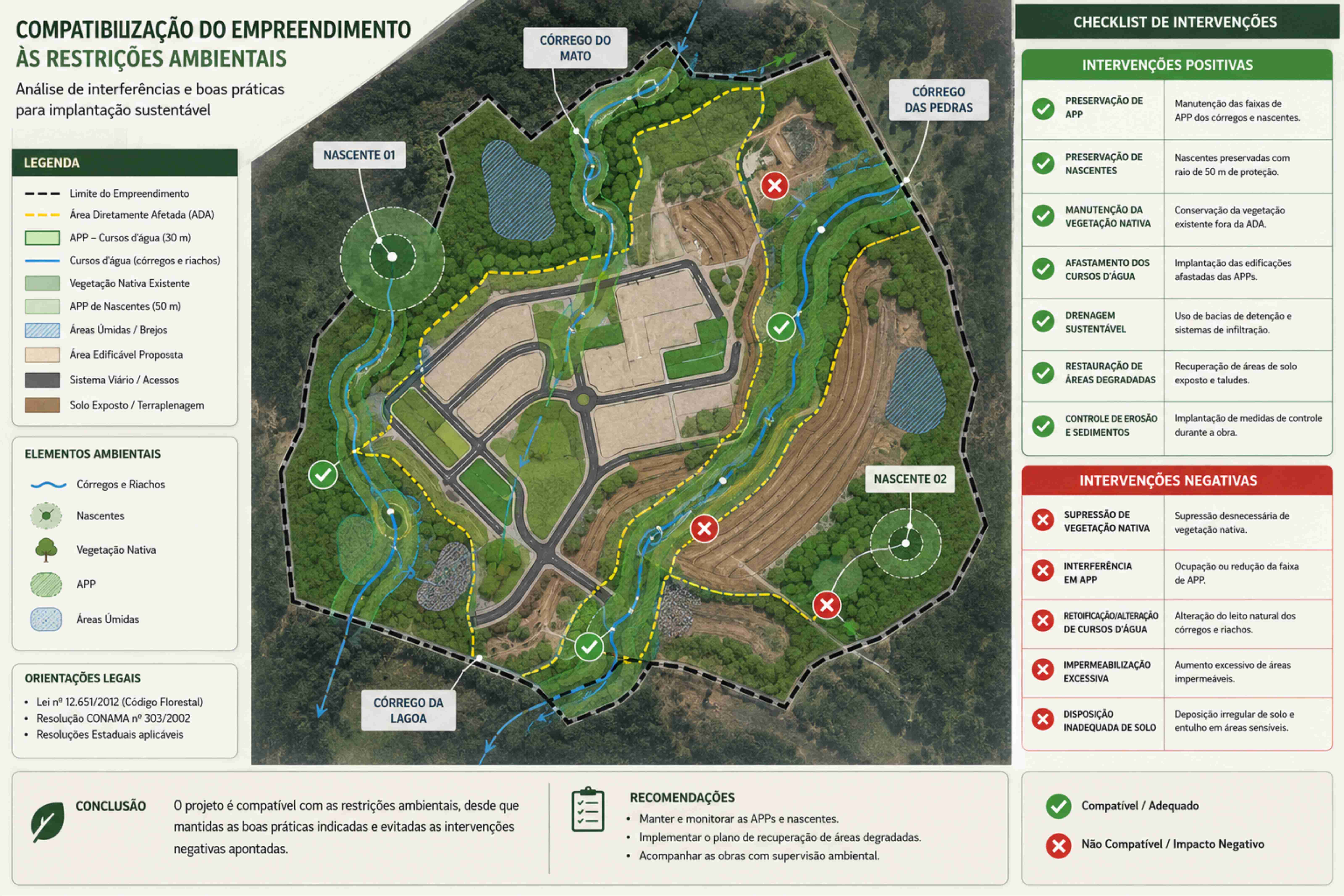
We produce maps and territorial analyses to demonstrate constraints, influence areas, hydrography, APP, zoning and location.
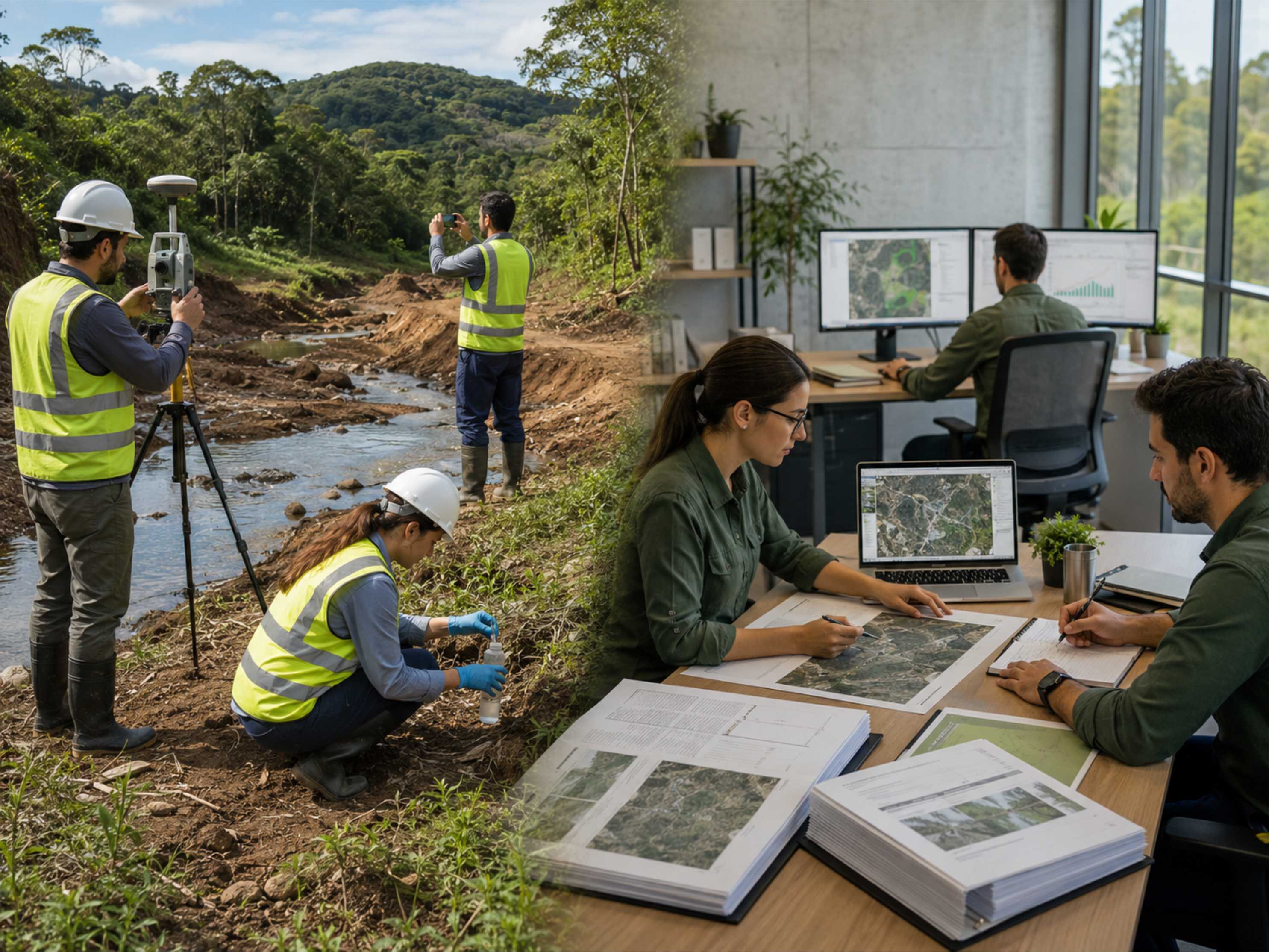
When necessary, we go to the field to recognize the area, record evidence and validate information used in the study.
We organize the study with technical memorandum, references, annexes, methodological justifications and professional responsibility.
We support the client in responses to notices, supplements, technical meetings and clarifications before the environmental agency.
Depending on the development, the environmental study may need to be accompanied by other technical documents.
Send the initial information about your development. GCRH Engenharia will conduct a preliminary reading of the demand and indicate the most appropriate technical path for your case.
Based on location, activity, size, process stage and document status, we can guide the scope, estimate the required studies and present a proposal compatible with the real complexity of the demand.